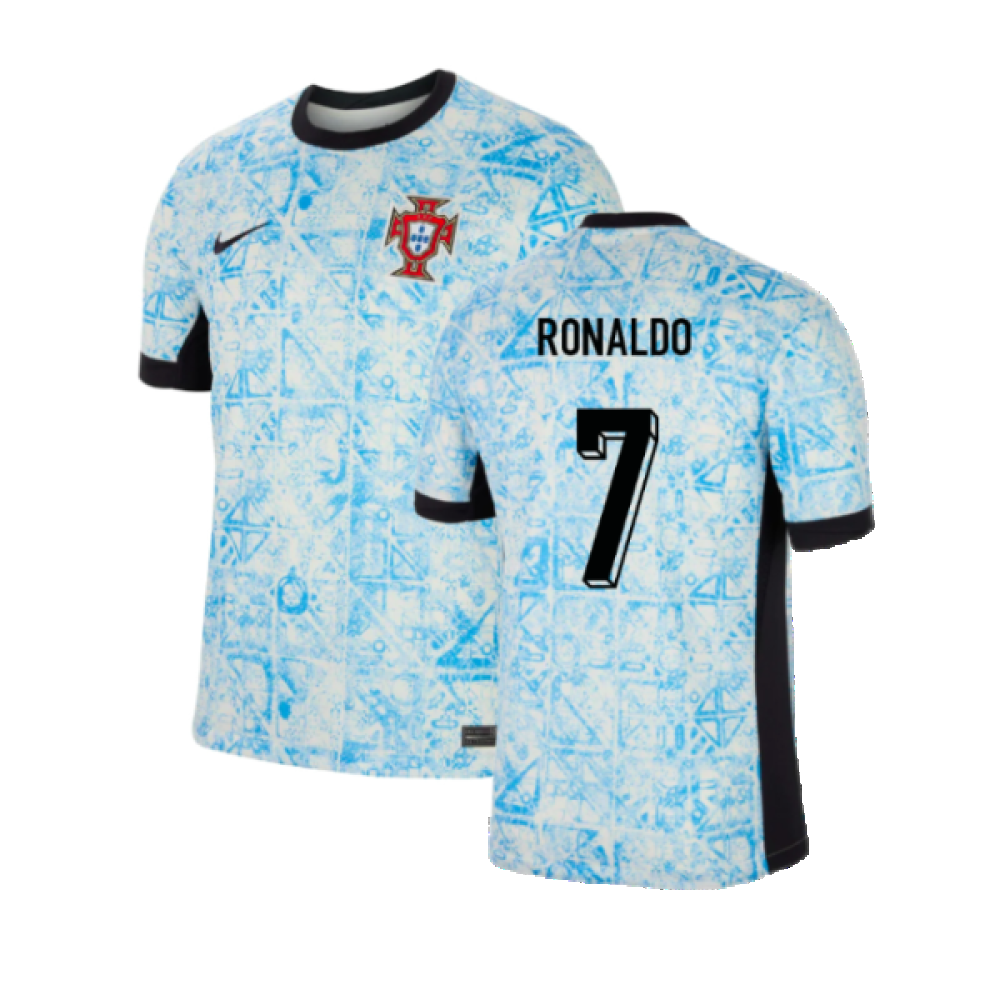
'sports Collectibles' - Unlocking Sports Collectibles A Fresh Guide for Fans

Unlocking Sports Collectibles A Fresh Guide for Fans

Updated on: 2025-12-18

This guide shares a calm, practical approach to building and caring for a meaningful jersey collection. You will learn how to spot quality, avoid common myths, and set up a simple care routine that keeps fabrics fresh and signatures secure. We also cover display ideas, safe storage, and gentle cleaning methods. A short Q&A addresses the questions collectors ask most often.

Table of Contents

If you are new to sports collectibles or returning after a break, it may feel overwhelming to choose items, check authenticity, and store them properly. This gentle guide focuses on jerseys and signed shirts, and it aims to help you make calm, confident decisions. You will find tips for examining materials, understanding tags and patches, and building a care routine that protects value without stress. Along the way, you will see simple ways to display cherished pieces while reducing sunlight, dust, and handling risks. The goal is to make collecting feel approachable, organized, and enjoyable.

Product Spotlight: Care and Display for sports collectibles

Jerseys are more than shirts; they represent moments, players, and personal memories. When evaluating one for your collection, look first at the fabric, the construction of the crest, and the application of names and numbers. Premium match or “authentic” versions often use advanced textiles, laser-cut ventilation, and heat-applied graphics that feel smooth and flexible. Replica versions are usually slightly heavier, with stitched or printed elements designed for durability and comfort. Either can be a rewarding choice; it depends on comfort, budget, and the kind of display you have in mind.

To explore a wide variety of teams and sizes, you may browse the All collections. If you enjoy modern classics, a piece like the Mbappé Real Madrid jersey can be a thoughtful addition for fans who appreciate clean design and contemporary performance fabrics. Consider keeping the hang tags if you plan to store the jersey long term, and place a small, neutral tag in your storage bag noting the season and any relevant details (for example, “stadium version,” “player name set,” or “signed on sleeve”). These quiet details support easy cataloging later.

When displaying, aim for balance: a simple black or natural wood frame, UV-filter acrylic, and an acid-free backing. If you prefer a hanger display, choose a broad, padded option to prevent shoulder stress and keep the garment evenly supported. Keep the jersey away from windows and direct light, and dust the frame or case gently with a soft, dry cloth. Small habits like these help fabrics maintain their shape and color over time.

Myths vs. Facts

  • Myth: Only match-worn shirts have real collecting value.
    Fact: Stadium and replica versions can be meaningful and desirable, especially when tied to a memorable season, player, or design era.
  • Myth: Every signature should be bold and large.
    Fact: Neat, well-placed signatures in archival-safe ink are preferred; oversized autographs can stress fabric or obscure details.
  • Myth: Plastic garment bags are the safest option.
    Fact: Breathable cotton or non-woven bags reduce trapped moisture and help prevent yellowing or odor over time.
  • Myth: Hot water washes “set” signatures and remove stains.
    Fact: High heat can cause color bleed and damage; spot treat gently with cool water and mild, dye-free soap when safe for unsigned areas.
  • Myth: All official logos prove authenticity.
    Fact: Labels help, but stitching quality, heat-press edges, serial codes, and reputable sourcing provide a fuller picture. For brand consistency, explore official lines such as Nike to learn typical construction details.
  • Myth: Sunlight through a window is harmless if brief.
    Fact: UV exposure adds up; low light, UV-filter acrylic, and periodic rotation are kinder to pigments and fabric.

Frequently Asked Questions

  • How do I tell if a shirt is authentic or replica? Authentic versions usually have lighter technical fabric, bonded seams, and heat-applied details; replicas are often slightly heavier with stitched elements for daily wear.
  • Can I wash a signed jersey? It is safer not to. If needed, spot clean unsigned areas only, with cool water and a soft cloth. Avoid scrubbing the autograph.
  • What type of frame should I use? Choose acid-free backing and UV-filter acrylic. Ensure the fabric lies flat without stretching and allow a bit of space to avoid contact with the acrylic.
  • Is it okay to fold jerseys for storage? Yes, with acid-free tissue between folds to reduce creasing and color transfer. Store in a cool, dry, and dark space.
  • How do I pick a modern piece with lasting appeal? Consider classic colorways, notable player moments, and clean design lines. Shirts tied to milestones often remain appealing to fans.

Final Recommendations

A calm, consistent routine will serve you well. Handle shirts with clean, dry hands. If you display them, limit lighting and dust regularly. If you store them, prefer breathable materials and acid-free tissue. Keep a simple log noting the item, season, player, and any provenance, such as a certificate number or signing details. These notes make organization easier and support future enjoyment.

Rotate displays every few months to share light exposure among items. For signed pieces, frame the jersey with the autograph area lying flat and supported. If you love rising talents, it can be pleasant to add one carefully chosen shirt to your rotation each year—for example, a thoughtful piece like the Lamine Yamal home jersey for fans who appreciate bright, modern kits. When choosing, trust what you enjoy wearing or viewing; taste and memory often outlast short-term trends.

Finally, think of care as part of the story. A well-kept garment, even without a signature, reflects respect for the game and the people who play it. Your collection does not have to be large to be meaningful. A few pieces that make you smile can be more fulfilling than a crowded closet.

How to store a jersey safely

  • Step 1: Wash your hands and clear a clean, dry surface. Avoid lotions or oils that might transfer to fabric.
  • Step 2: Place acid-free tissue paper inside the shirt to separate front and back. Add small sheets under name sets and crests.
  • Step 3: Use a broad, padded hanger for hanging, or fold gently with tissue between folds to reduce creases.
  • Step 4: Store in a breathable garment bag or archival box. Skip plastic covers that trap moisture.
  • Step 5: Keep in a cool, dark, and dry space with stable conditions. Revisit every few months to refresh tissue and inspect.

Q&A Section

How do I verify a jersey’s authenticity?

Start with the basics: fabric weight, seam quality, and the feel of the crest and name set. Look for brand codes, season tags, and consistent font spacing. Compare with trusted references from official brand lines and reputable retailers. If the shirt is signed, note the signing location and pen type, and keep any documentation together with the jersey for future reference.

What is the gentlest way to clean a signed shirt?

When possible, avoid washing. For fresh dust, use a soft, dry microfiber cloth. For small marks away from the autograph, dab lightly with cool water and a mild, dye-free soap on a cotton swab; do not rub the signed area. Let it air dry flat, away from direct heat and sunlight. If you prefer a wearable piece instead, choose an unsigned version for regular use and save the signed item for display.

How can I display a shirt without fading?

Limit light exposure and use UV-filter acrylic in frames or display cases. Keep a small gap between the jersey and the acrylic to avoid condensation. Place the frame on an interior wall away from windows and HVAC vents. If you prefer rotation, keep a protected storage setup, and swap the display with another piece every few months to share exposure. For inspiration, review current designs in team and brand collections to plan a cohesive display wall with complementary colors and eras.

About the Author Section

About the Author

Written by the Jersey Teams World editorial team, which focuses on jerseys, kit design, and practical care for fan gear. We aim to help collectors choose thoughtfully, store safely, and enjoy their pieces for years. If you would like to explore official lines and styles, you can start with the Nike page or browse the All collections for a broader view. Thank you for reading—we hope this guide supports a calm and enjoyable collecting journey.