College Sports Apparel - College Sports Apparel Essentials for Everyday Team Style

College Sports Apparel Essentials for Everyday Team Style

Updated on: 2025-12-23

This guide simplifies how to compare materials, verify authenticity, and find the right fit for college sports apparel. You will learn how to avoid common myths, choose durable fabrics, and care for your gear so it lasts season after season. We also share a short, personal story to illustrate real-world wear and maintenance. The goal is to help you shop with confidence, enjoy comfortable game-day outfits, and feel proud of what you wear.

Table of Contents

Introduction

Whether you are a student, an alum, or a supporter from afar, the right campus team gear should look great, feel comfortable, and hold up well after many washes. In the first few minutes of browsing, it can be helpful to have a simple plan: understand fabrics, check authenticity cues, assess construction, and pick a fit that works for both game days and everyday wear. If you are new to shopping for college sports apparel, this article offers a calm, step-by-step approach to help you feel prepared.

We will break down myths that often lead to disappointment, explain what makes a garment durable, and outline caring tips that actually extend lifespan. You will also find practical sizing ideas for layering with hoodies or jackets during cooler months. By the end, you can expect a clearer path from browsing to checkout, with fewer returns and more confidence in every piece you choose.

Myths vs. Facts

  • Myth: A heavier shirt is always better quality.
    Fact: Weight alone does not signal durability. High-quality lightweight blends can outperform thick cotton if they have tight weaves, strong seams, and moisture-wicking properties.
  • Myth: The biggest logo means the best product.
    Fact: Large graphics do not guarantee superior fabric or construction. It is wiser to check stitching density, reinforcement at stress points, and care labels.
  • Myth: Officially licensed items are always overpriced.
    Fact: Licensed gear covers royalties and brand standards, but it also tends to have consistent sizing and vetted materials. There are fair-value options at many price points.
  • Myth: Unisex cuts fit everyone the same.
    Fact: Unisex sizing can run long or boxy. Comparing measurements to a garment you already love is more reliable than labels alone.
  • Myth: All polyester feels cheap.
    Fact: Performance polyester and recycled blends can be soft, breathable, and durable. The quality depends on yarn, knitting method, and finishing.
  • Myth: You should always buy one size up for comfort.
    Fact: Sizing up may cause drooping shoulders or floppy sleeves. Instead, consider true-to-size for tees and size up only if you plan to layer or prefer a relaxed silhouette.
  • Myth: Air drying ruins shape.
    Fact: Gentle air drying on a flat surface helps protect prints, reduce pilling, and preserve fit, especially for performance blends.

How to Choose College Sports Apparel That Lasts

Quality begins with materials. For warm weather and indoor arenas, look for lightweight performance knits with moisture management and smooth interior seams. For cooler months, midweight cotton blends with a touch of polyester or rayon can balance softness with structure. If you value sustainability, recycled fibers or organic cotton can be thoughtful choices. It may help to compare the hand-feel: a soft but resilient fabric that springs back from light stretching often wears well.

Next, assess construction. Examine stitching around the neck, shoulder seams, and hem—these are common stress zones. Dense, even stitches with minimal loose threads suggest better manufacturing. If possible, check the inside of the garment for seam reinforcement or taping around the collar. Ribbed cuffs that return to shape and a neckline that lies flat without rolling usually indicate reliable construction.

Authenticity matters. Look for official trademarks, license holograms, and consistent color accuracy. Tags should be clear, with fiber content and washing instructions. While independent shops can be wonderful, buying from trusted retailers helps ensure you receive legitimate goods. Well-known performance brands such as Nike, adidas, and Puma follow consistent quality practices across their lines, which may give you extra peace of mind.

Fit is personal, and comfort plays a central role. If you plan to layer over a long-sleeve tee or under a light jacket, consider how the garment drapes over your shoulders and around the chest. A straight, clean side seam usually hangs better and resists twisting after washing. When in doubt, compare measurements—chest width, shoulder width, sleeve length—to a favorite tee or hoodie in your closet. It is a simple way to reduce returns and choose something you will wear often.

Care practices can preserve color and shape. Turn printed items inside out before washing, choose cold water on a gentle cycle, and use mild detergent. Avoid fabric softeners for performance blends; they can reduce wicking ability. To protect logos and numbers, air dry or use low heat. These small steps help colors stay vivid and prints remain smooth, so your team pride looks fresh longer.

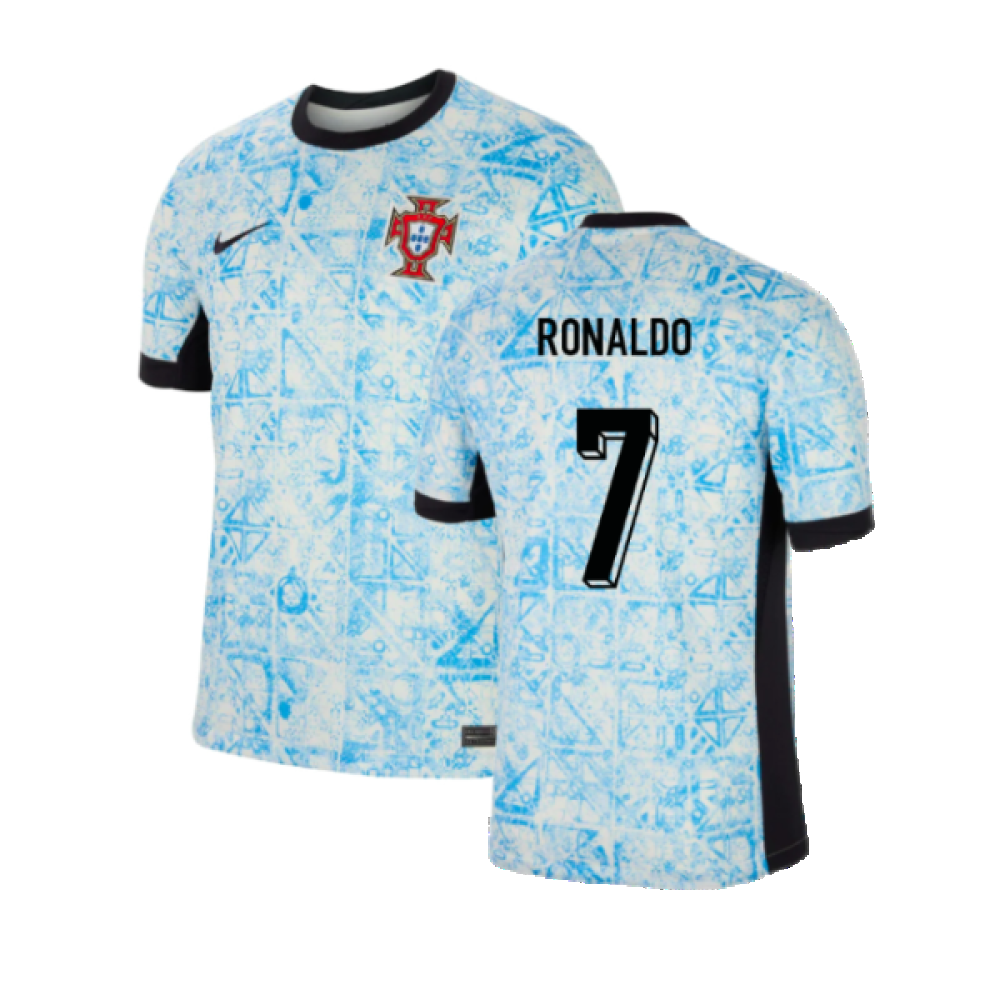
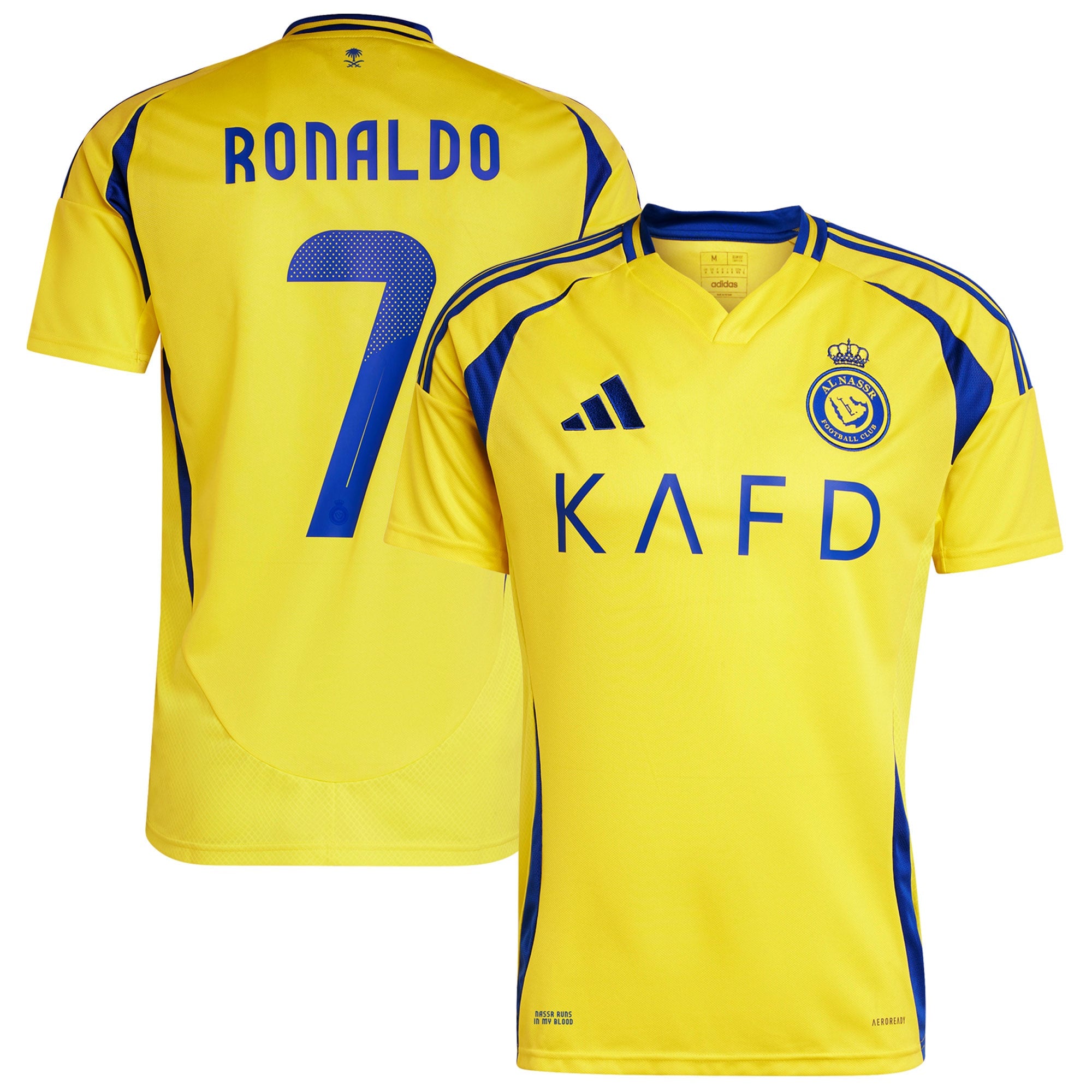
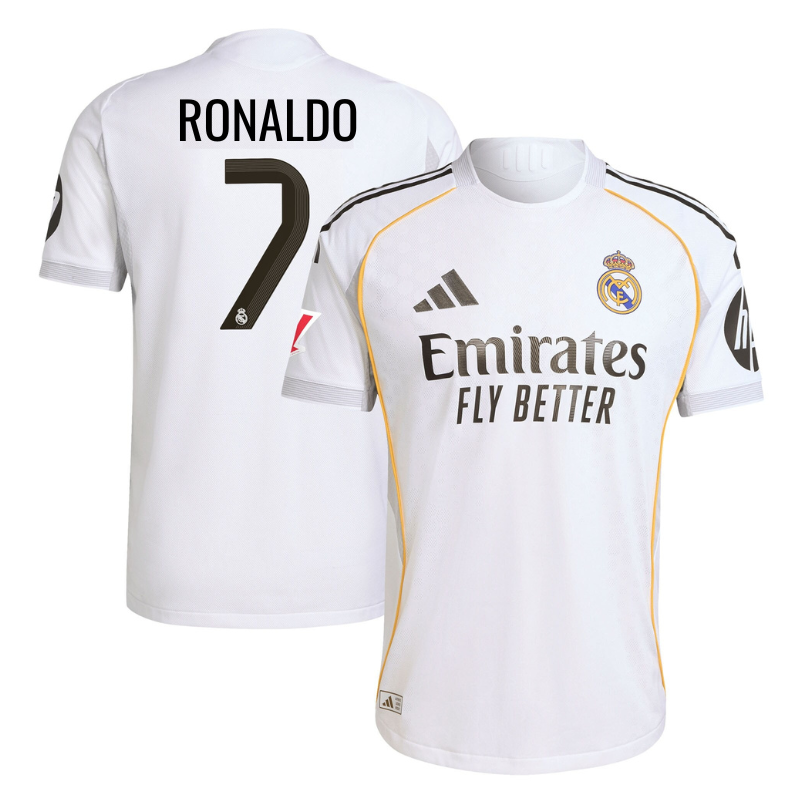
Price versus value deserves a moment of thought. A slightly higher upfront cost can pay off when a shirt or hoodie lasts years rather than a season. Watch for consistent factors: fabric quality, strong seams, clear branding, and accurate sizing. If you would like to browse different constructions for comparison, you can view a range of pro-level designs to observe stitch work and paneling on the All jerseys page. Even though the styles may vary, noticing these quality signals will help you make better decisions across your collegiate gear as well.

Finally, consider versatility. Neutral or classic school colors are easy to mix and match with jeans, joggers, or shorts. A clean, timeless logo placement feels appropriate at the stadium and around town. If you enjoy accessories, a cap or lightweight scarf in complementary tones adds spirit without overpowering your outfit. Thoughtful staples are more likely to become favorites you reach for week after week.

Personal Experience

Last fall, I wanted a comfortable tee for an alumni gathering that could double as weekend wear. I compared two options that looked similar online. The first tee had a soft hand-feel but loose threads at the hem and a slightly crooked neck seam. The second had tighter stitching and a reinforced collar. I chose the latter, washed it cold, and air dried it flat before the event. Months later, the print is still crisp and the neckline has held its shape. That small construction detail made a noticeable difference, and it reminded me that a close look at seams can be as important as brand names or graphics.

Final Thoughts & Takeaways

Selecting the right piece comes down to a few respectful, repeatable steps: check materials, inspect construction, confirm licensing, choose the right fit, and care for it gently. When you follow this approach, your favorites tend to last longer and feel more comfortable.

  • Look for dense, even stitching and smooth interior seams.
  • Choose breathable knits for warm settings; consider midweight blends for cooler days.
  • Verify licensing with tags, holograms, or brand authentication cues.
  • Compare garment measurements to a piece you already love.
  • Wash cold, turn inside out, and air dry or use low heat to protect prints.

By applying these simple habits, your collection of campus fanwear can stay sharp, comfortable, and ready for every game day.

Q&A Section

What size should I pick for layering?

Start with your usual size if you plan to wear the piece on its own. If you often add a base layer or light hoodie, consider a half size up when available, or a single size up for a relaxed look. Pay attention to shoulder width and sleeve length; they affect how well the outer garment sits over another layer without bunching.

How do I know an item is officially licensed?

Look for clear branding, a trademark or hologram sticker, and legible tags with fiber content and care details. Consistent color tones and precise logo edges are additional good signs. Buying from reputable retailers or familiar brand collections, such as those by Nike or adidas, adds a layer of assurance.

What fabrics are best for hot or cold games?

For heat and humidity, performance polyester or poly-blends with wicking features help move moisture away and dry faster. For cooler evenings, midweight cotton blends with a bit of stretch offer warmth without feeling stiff. If wind is expected, a lightweight outer layer over your team tee can help maintain comfort without excess bulk.

How can I make my gear last longer?

Turn pieces inside out before washing, use cold water, and avoid bleach and heavy softeners. Air dry or use low heat to protect prints and reduce shrinking. Store garments folded rather than hanging if the fabric is heavy; it helps prevent shoulder bumps. When possible, spot clean stains promptly to minimize color lift.

About the Author

Written by the team at Jersey Teams World, specialists in authentic fanwear and performance kits. We enjoy helping supporters make informed, comfortable, and long-lasting wardrobe choices. If you have questions about materials or fit, we are always glad to help. Thank you for reading, and we wish you many enjoyable game days ahead.